
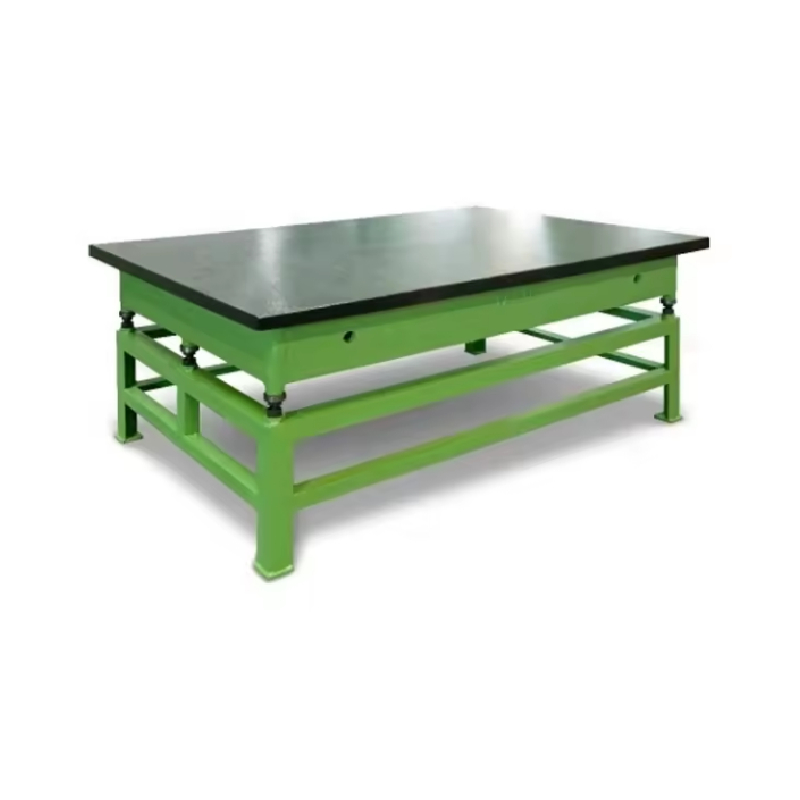
pink frosted glass
Understanding Tapering Gauges A Comprehensive Overview Tapering gauges are essential tools in various industries, particularly in manufacturing and engineering, where the precise dimensions of components are crucial. These gauges are specifically designed to measure the taper of cylindrical objects, enabling professionals to determine the fit and functionality of parts that require a certain degree of taper for optimal performance. In this article, we will delve into the purpose, types, applications, and significance of tapering gauges. What are Tapering Gauges? Tapering gauges, also known as tapered measuring tools, are instruments used to measure the angle and extent of tapering on a workpiece. Tapering refers to the gradual narrowing of an object, which is often seen in shafts, pipes, and other cylindrical components. The measurement provided by a taper gauge helps ensure that parts fit together correctly and function as intended within mechanical systems. These gauges can come in various forms, designed to accommodate different taper angles and sizes. Commonly, taper gauges may consist of a series of tapered blocks or thin plates that increase in thickness. Users can determine the taper by inserting the gauge into the tapered section of the workpiece to find where a snug fit occurs. Types of Tapering Gauges There are several types of tapering gauges available, each suited for specific applications 1. Plain Taper Gauges These are the most basic form. They contain a series of known taper angles that allow users to measure the angle of the taper on their workpiece and ascertain its acceptability based on industry standards. 2. Tapered Plug Gauges These gauges feature a tapered design that allows them to fit snugly into a hole or a recess. They are particularly useful for checking the internal taper of a bore or socket. 3. Adjustable Taper Gauges These are versatile tools that enable users to modify the taper angle as needed. They are beneficial for applications that require a range of taper measurements without needing multiple gauges. tapering gauges 4. Digital Taper Gauges With advancements in technology, digital taper gauges have emerged, offering precise measurements with electronic readouts. These provide ease of use and increased accuracy, making them a favorite among professionals. Applications of Tapering Gauges The applications of tapering gauges are widespread. In the manufacturing industry, they are used for - Quality Control Ensuring that components meet specified tolerances and standards for tapered surfaces, crucial for parts like fittings, valves, and pipes, where a proper fit is essential for function and safety. - Assembly During assembly processes, tapering gauges help in verifying that parts align correctly. This is especially important in industries such as automotive and aerospace, where precise engineering is critical. - Tool Making In tool-making workshops, taper gauges assist in the production of custom tools requiring specific tapering for performance, such as drill bits and taps. - Maintenance Maintenance personnel use tapering gauges to check the wear on components and assess whether they need replacement or repair. The Significance of Tapering Gauges The importance of tapering gauges cannot be overstated. They play a pivotal role in maintaining quality and efficiency in manufacturing processes. Accurate measurements lead to better fitting components, reducing the risk of malfunctions and improving overall system performance. Moreover, utilizing tapering gauges can minimize waste and rework, contributing positively to productivity and cost-effectiveness. In conclusion, tapering gauges are indispensable tools in various applications. Their specialized designs and various types accommodate the diverse needs of different industries. By ensuring accurate measurements and proper fits, tapering gauges significantly enhance the functionality of mechanical systems and contribute to the overall quality of manufactured products. As technology advances, these tools continue to evolve, promising even greater precision and usability for professionals in engineering and manufacturing sectors.
about
pink frosted glass
Precision Spirit Level Measuring with Confidence to 0.01 mm/m In the world of construction, engineering, and craftsmanship, precision is not just a luxury; it's a necessity. One of the indispensable tools that enables professionals to achieve unparalleled accuracy is the precision spirit level. Specifically, a precision spirit level with an accuracy of 0.01 mm/m represents the pinnacle of precision measurement instruments, and it plays a crucial role in various applications. Why Precision Matters Accuracy in measurements is paramount for several reasons. In construction, for instance, slight deviations can lead to structural failures or significant functional issues. When building homes, bridges, or other structures, even a minor miscalculation can result in misalignment, leading to safety hazards. Engineers and builders, therefore, require tools that offer remarkable precision to ensure that every part of a structure is aligned correctly. Understanding the Precision Spirit Level A precision spirit level is a calibrated tool featuring one or more liquid-filled vials, which contains a small bubble. When the level is placed on a surface, the bubble moves within the vial to indicate alignment. For levels with a sensitivity of 0.01 mm/m, the bubble’s position allows users to assess the flatness or alignment of the surface with exceptional accuracy. This level of precision is particularly valuable in environments where even the smallest imperfections can have significant repercussions. Applications of Precision Spirit Levels 1. Construction and Architecture In the construction of high-rise buildings or intricate architectural designs, precision spirit levels assist architects and builders in achieving the correct angles and alignments. They are essential when installing beams, walls, and flooring to ensure that everything is perfectly level, allowing for aesthetic appeal and structural integrity. precision spirit level 0.01 mm m 2. Machinery and Equipment Installation The assembly and alignment of machinery often require high precision. A 0. 01 mm/m spirit level ensures that machines are installed accurately, promoting efficiency and reducing wear during operation . When machinery runs on a level surface, it functions better and lasts longer. 3. Furniture Making Woodworking is an art that demands precision. Craftsmen utilize precision spirit levels to align furniture components accurately. Whether creating a simple chair or an intricate cabinet, the level ensures that pieces fit together without unwanted gaps or misalignments. 4. Scientific Research In laboratories and research facilities, precision spirit levels are utilized to calibrate instruments and ensure that experiments are conducted on level surfaces. This accuracy is critical, especially when working with sensitive equipment that may be affected by minor inclinations. 5. Home Improvement Projects DIY enthusiasts also benefit from the use of precision spirit levels. Whether hanging a picture frame or installing shelves, using a tool with such fine precision helps achieve professional-looking results, eliminating the frustration of crooked installations. Choosing the Right Precision Spirit Level When selecting a precision spirit level with a sensitivity of 0.01 mm/m, consider several factors, including the length of the level, the material it is made from, and its design. Longer levels generally provide more accuracy, especially over larger distances, while levels made from durable materials ensure longevity. Additionally, a well-designed level with clear vial markings makes it easier for users to read measurements quickly and accurately. Conclusion In conclusion, the precision spirit level with an accuracy of 0.01 mm/m stands as a testament to human ingenuity in the pursuit of perfection. It empowers professionals across various fields to achieve precise measurements that are vital for the integrity and aesthetic appeal of structures, machinery, and products. Investing in a high-quality precision spirit level not only enhances the quality of work but also assures confidence in the measured results. Whether you are a seasoned engineer, a dedicated craftsman, or a DIY enthusiast, embracing precision in measurement tools will undoubtedly elevate your work to new heights.
-

High quality industrial productsagement

High quality industrial products
View Details -

Meet the diverse needs of customers

Meet the diverse needs of customers
View Details -

Strict quality control

Strict quality control
View Details -

Top raw materials

Top raw materials
View Details -

Trusted supplier

Trusted supplier
View Details
Our application

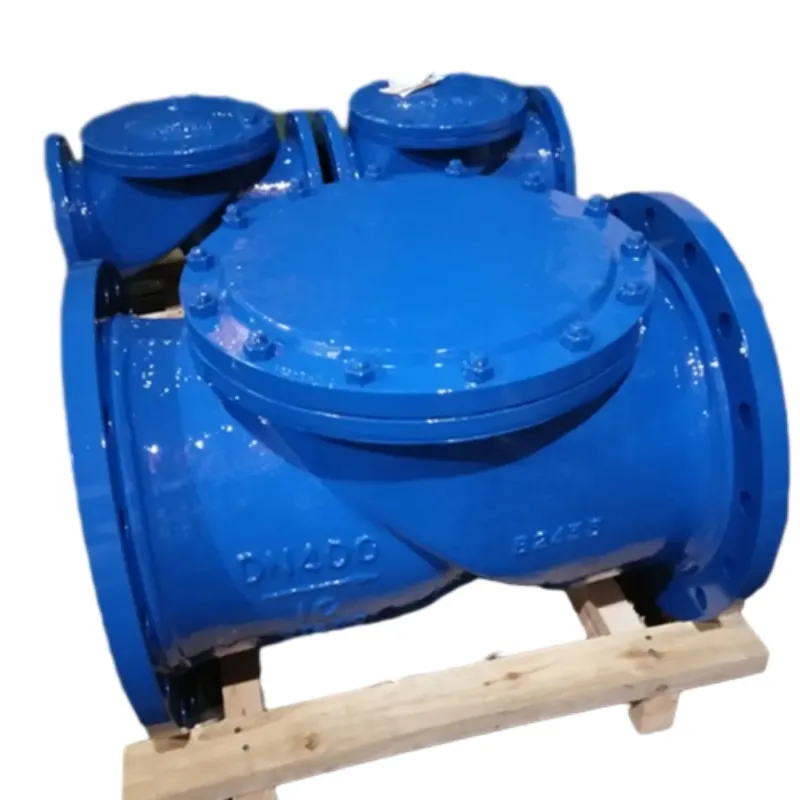


news and information

What Are the Three Types of Control Valves_
Control valves play a crucial role in various industrial processes, regulating the flow of fluids to
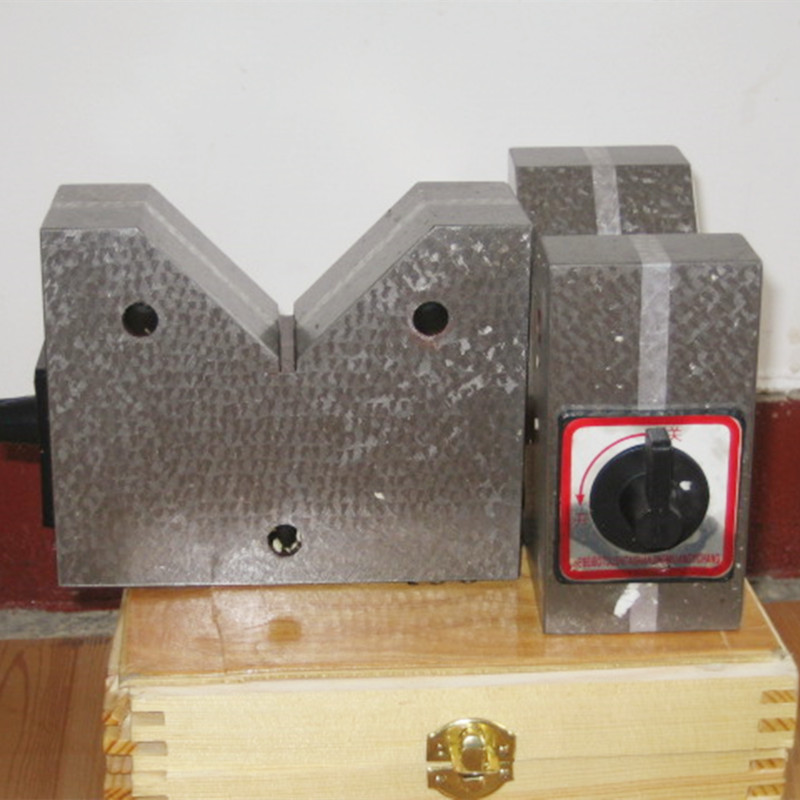
Using a Right Angle Ruler for Accurate Measure and Design in Everyday Projects
The Versatility of the Ruler with Right Angle A Tool of Precision and Creativity The ruler with a ri

Y Type Strainer Cleaning Procedures
In industrial fluid systems, Y type strainers are essential components that effectively filter out i
 English